
Recent days have seen a cyber incident at Scope Systems that resulted in an outage affecting customers using Scope’s cloud services, including its hosted Pronto ERP, a system widely used across the Western Australian mining sector.
While Scope Systems continues its response and recovery, the incident is an important reminder of how exposed mining operations can be when critical business systems are disrupted. For many mining businesses, ERP platforms like Pronto sit at the centre of finance, supply chain, maintenance, payroll, and operational reporting. When those systems are unavailable, the impact is felt quickly and often across multiple sites.
This isn’t about hindsight or blame. Cyber incidents happen to organisations of all sizes. What matters now is what mining operators take away from it.
Why Mining Is a Prime Target
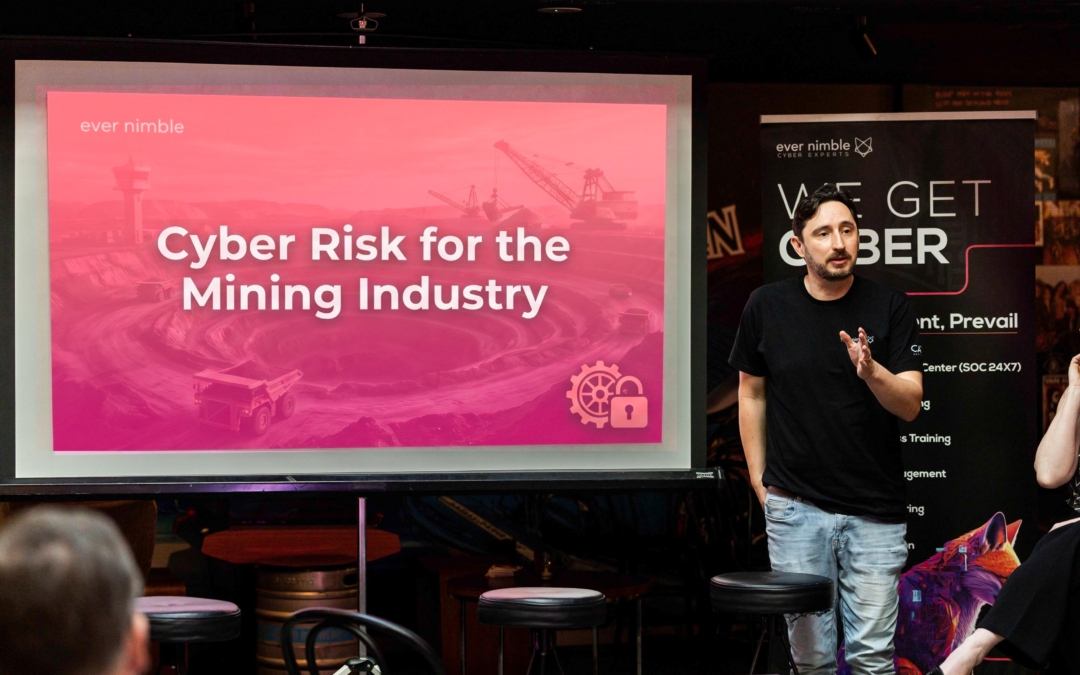
Mining organisations are increasingly attractive targets for cyber attackers. They operate high‑value environments, rely heavily on uptime, and often run complex IT environments that blend legacy systems with modern cloud services. The Australian Cyber Security Centre has consistently highlighted ransomware, credential compromise, and supply‑chain attacks as growing threats for critical industries, including mining. [cyber.gov.au]
In mining, the risk isn’t limited to data loss. A cyber outage can delay payroll runs, disrupt procurement, impact contractor onboarding, or halt reporting required for compliance and safety. Even short disruptions can have outsized financial and operational consequences.
ERP Availability Is a Business Risk, Not Just an IT Issue
Events like this reinforce a simple truth: ERP availability is a business continuity issue, not an IT one.
When Pronto or similar systems are unavailable, organisations often discover they don’t have clear answers to questions such as:
- How long can we operate without our ERP?
- Do we have a tested disaster recovery path?
- Can key teams keep working if core systems are offline?
- Who owns the decision‑making during a cyber outage?
These are questions that boards, executives, and operational leaders need to be comfortable answering before an incident occurs.
Rethinking How Pronto Is Hosted
One of the discussions resurfacing across the mining industry is where and how Pronto is hosted.
Many organisations still rely on traditional hosting models or narrowly scoped cloud arrangements. While those approaches can work, they may not provide the level of resilience, security visibility, or recovery options that modern threat environments demand.
For some mining organisations, hosting Pronto within Microsoft Azure is a viable option worth serious consideration. This is not a silver bullet, and it must be designed and implemented correctly, but Azure can offer benefits such as:
- Improved resilience through multi‑region architecture
- Strong native security tooling and monitoring
- Clear separation between production, backup, and recovery environments
- Better alignment with modern business continuity and disaster recovery expectations
Whether Azure is the right fit depends on the organisation, its operational model, and regulatory requirements. What matters is that hosting decisions are made deliberately, with cyber resilience and recovery front of mind, not just cost or convenience.
Practical Steps Mining Leaders Should Take Now
Regardless of how your systems are hosted, there are a few practical actions mining organisations should be prioritising:
First, review your business continuity and disaster recovery plans and ensure they reflect current systems, not assumptions made years ago. Plans that haven’t been tested under real‑world conditions often don’t survive first contact with an incident.
Second, engage in tabletop cyber incident exercises with both IT and operational leaders involved. These exercises consistently reveal gaps that are invisible on paper.
Third, ensure clear accountability is defined for cyber incidents, including decision‑making authority when systems are unavailable.
Finally, treat cyber security as an ongoing operational risk, not a one‑off project. The threat landscape continues to evolve, and mining businesses need to evolve with it.
A Final Word
Cyber incidents like the one affecting Scope Systems are challenging for everyone involved. They also provide valuable lessons for the wider industry.
Mining organisations that take the time to reassess their resilience, their ERP hosting strategy, and their incident readiness will be better positioned to respond when—not if—the next disruption occurs.
If you’d like to discuss what these lessons mean for your environment, or explore what resilient Pronto hosting could look like in Azure, that conversation is worth having well before the next incident.